Summary
Building a granny flat in Queensland is an increasingly popular way to maximise property value, create flexible living arrangements, or generate long-term rental income. However, Queensland’s climate and natural landscape introduce environmental considerations that cannot be overlooked. Among the most important of these are flood risk and bushfire risk, both of which play a decisive role in how granny flats are approved, designed, and constructed.
Flood-prone land and bushfire-prone areas are clearly mapped within local council planning schemes, and these overlays directly influence whether a granny flat can be built and under what conditions. Properties affected by these overlays are often subject to additional planning controls, stricter building standards, and more detailed documentation during the approval process. For property owners, this can mean changes to building height, layout, materials, access points, and even the overall positioning of the granny flat on the site.
Failing to properly account for flood or bushfire risk can result in significant delays, increased costs, or, in some cases, refusal of a development application. Conversely, addressing these risks early in the planning stage allows for smarter design decisions, smoother council approvals, and a safer, more resilient outcome. Flood mitigation measures such as elevated floor levels and effective drainage, combined with bushfire-resistant construction materials and compliant setbacks, are not simply regulatory requirements—they are essential protections for occupants and long-term investments.
This article explains how flood and bushfire risks affect granny flat builds in Queensland, what councils typically require in high-risk areas, and why early assessment is critical. By understanding these factors before construction begins, property owners can approach their granny flat project with confidence, clarity, and a realistic expectation of what is required to build safely and compliantly in Queensland conditions.
Flood Risk and Granny Flat Builds in Queensland
Flood risk is one of the most significant factors influencing residential development across Queensland. Seasonal rainfall, tropical weather systems, river catchments, and low-lying coastal areas mean that many properties are affected by some level of flood exposure. For homeowners considering a granny flat, understanding how flood risk is assessed and managed is essential before progressing to design or construction.
Flood-affected land is typically identified through council planning schemes using flood overlays. These overlays do not automatically prohibit granny flat construction, but they do impose additional requirements aimed at reducing risk to occupants, minimising property damage, and ensuring that new development does not worsen flooding impacts on surrounding land.
How Councils Assess Flood Risk
Local councils assess flood risk using detailed flood modelling that identifies how water moves across land during various flood events. This information is used to establish minimum habitable floor levels, determine suitable building locations on a site, and assess whether safe access can be maintained during a flood.
For granny flats, councils will often consider:
- Whether habitable rooms are located above designated flood levels
- The potential impact of the structure on natural floodwater flow
- Emergency access and evacuation safety
- The effect of development on neighbouring properties
Applications that fail to adequately address these considerations are more likely to be delayed or refused, particularly in areas with a history of flooding.
Design Requirements in Flood-Prone Areas
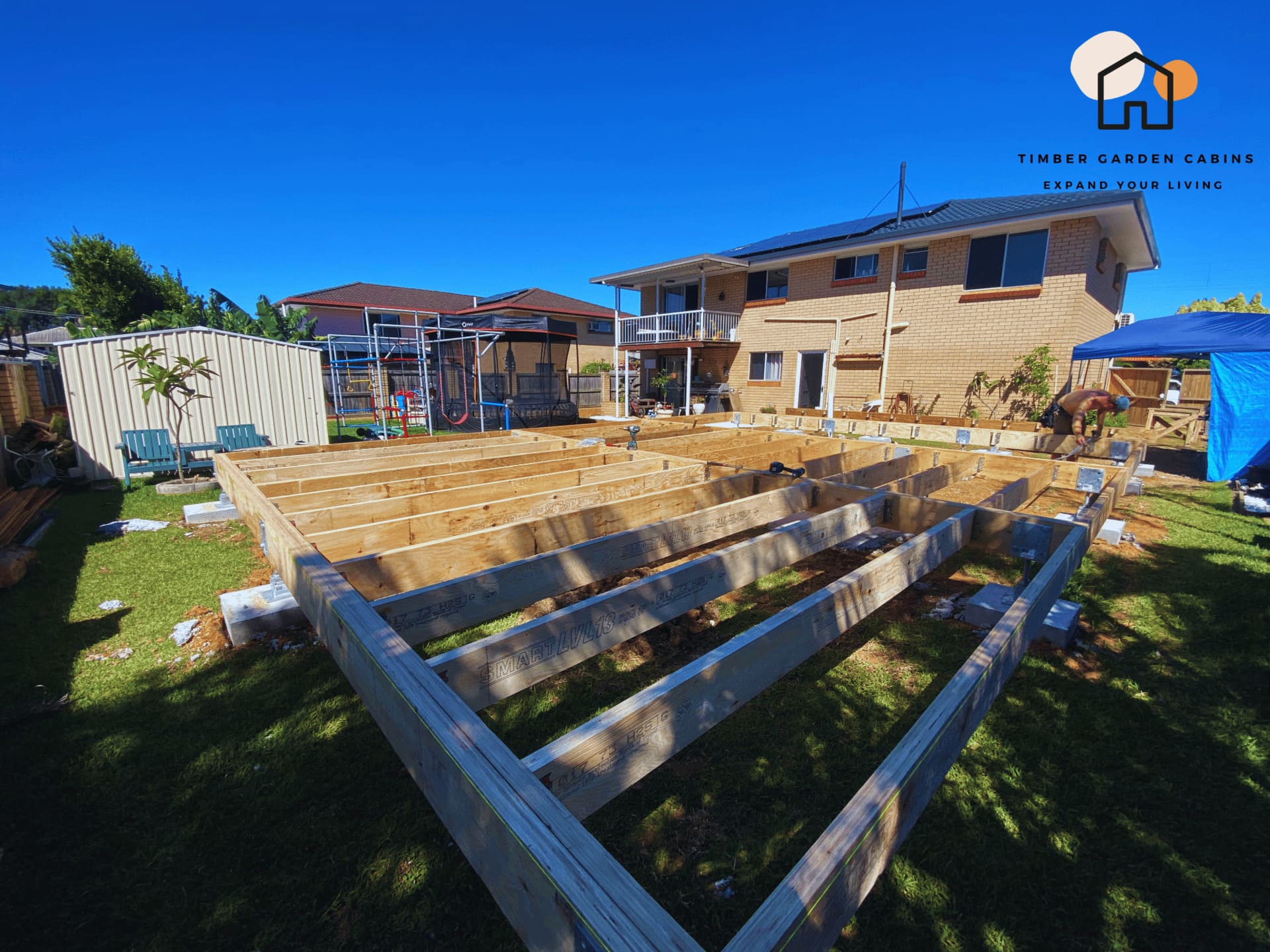
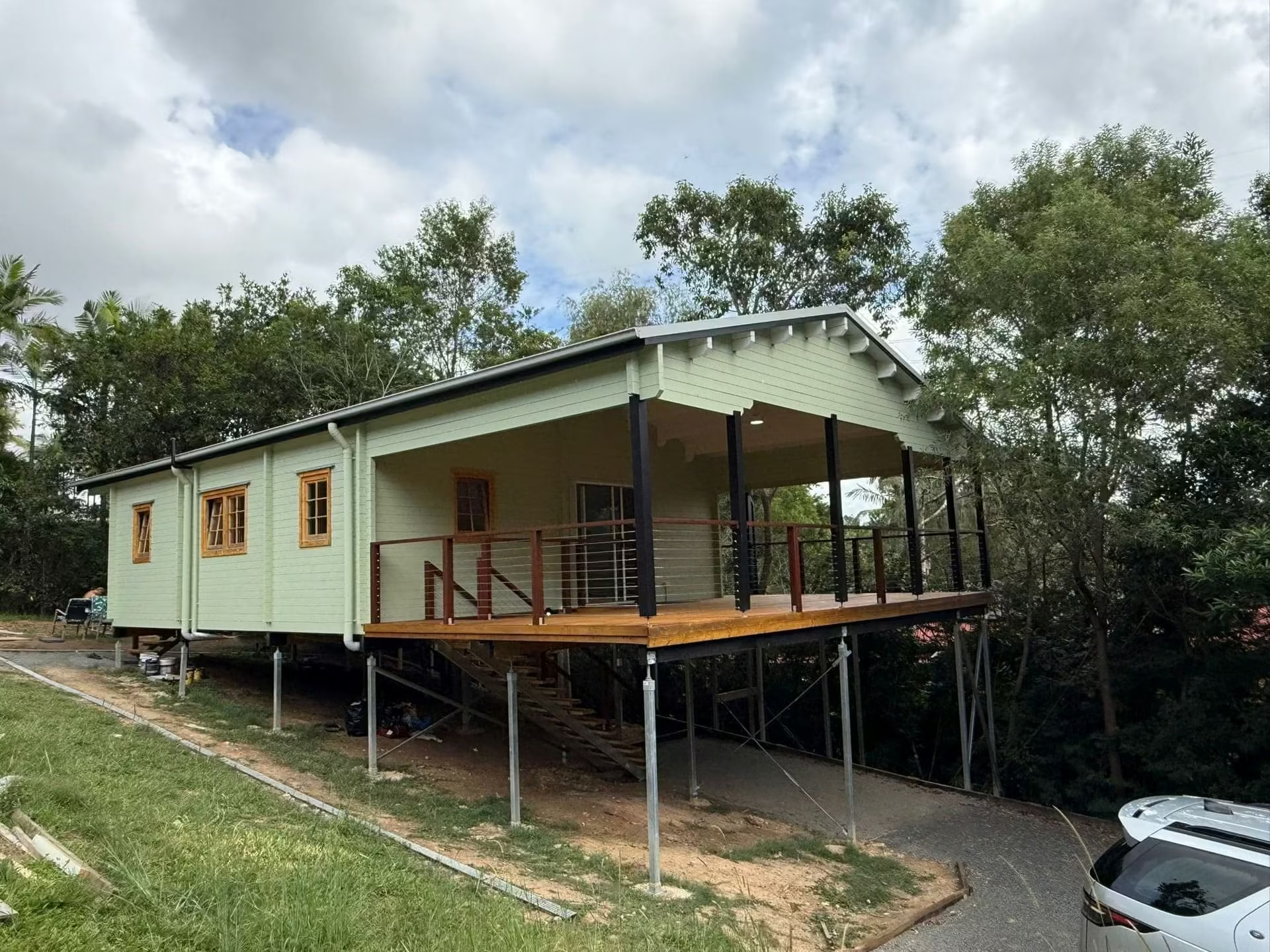
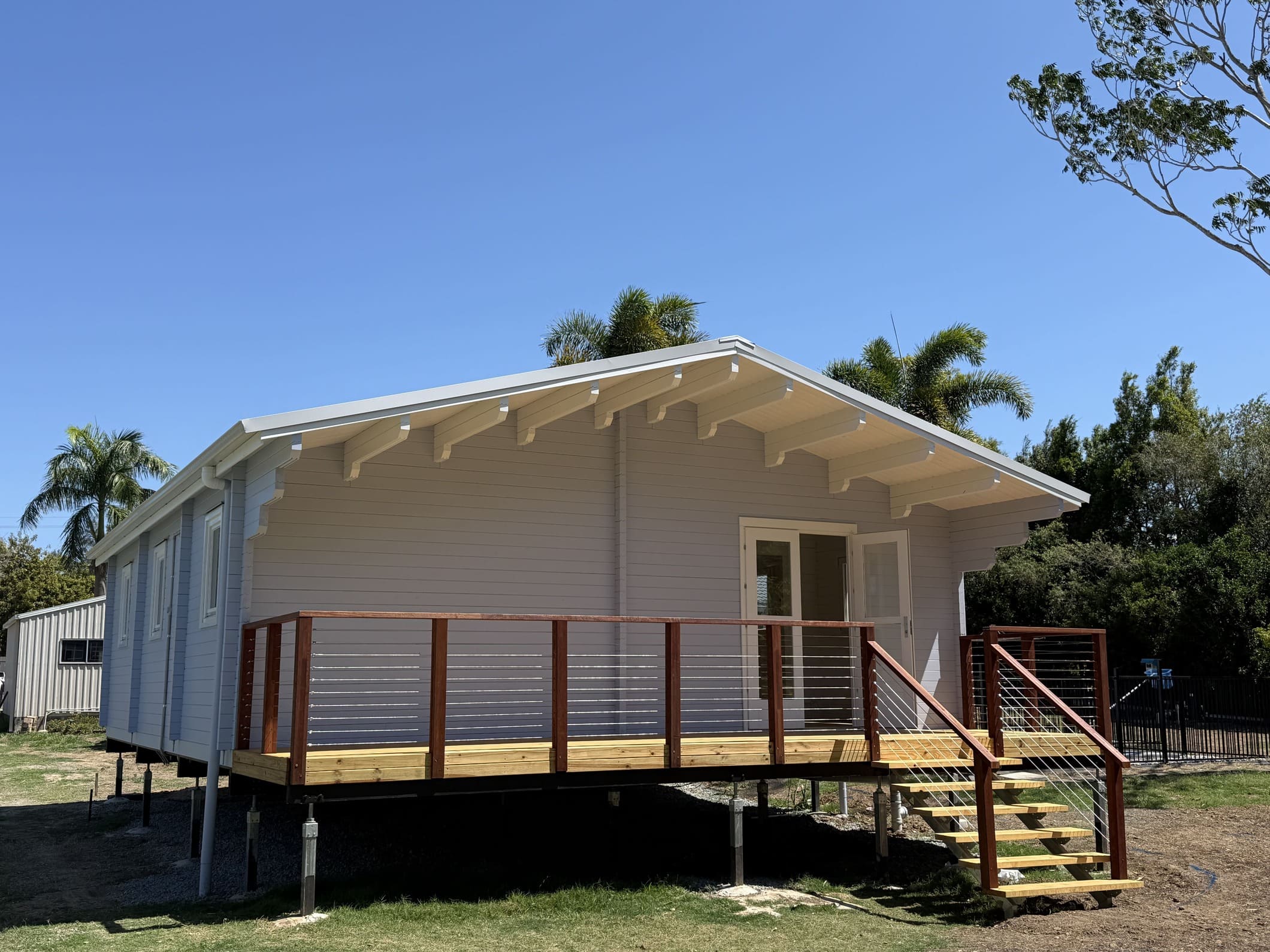
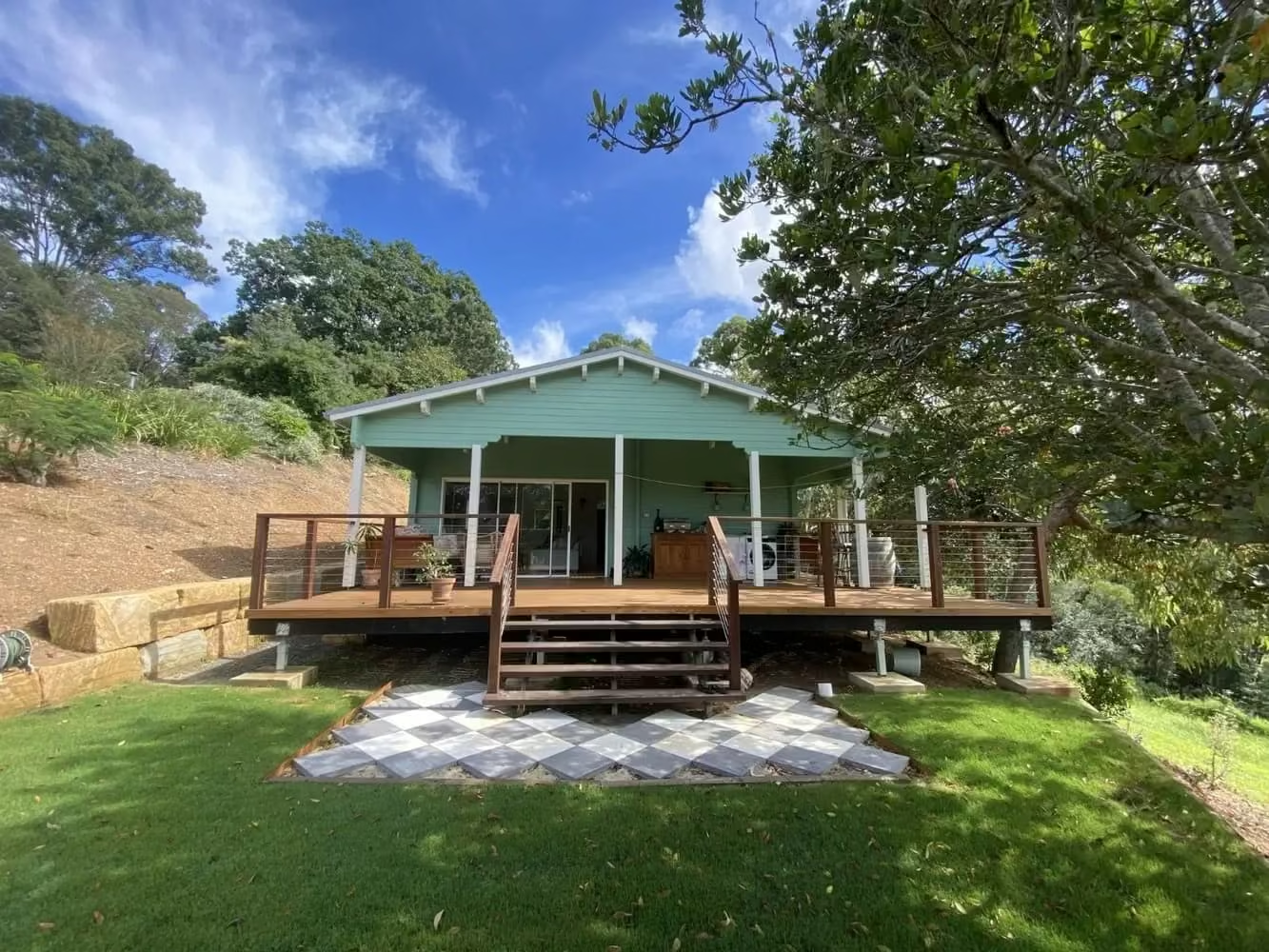
In flood-affected locations, granny flats usually need to be designed with elevated floor levels to keep habitable spaces above predicted flood heights. This may involve raised concrete slabs, suspended floors, or pier-and-beam construction, depending on site conditions and council requirements.
Material selection also becomes an important consideration. Councils often expect flood-resilient materials that can withstand water exposure and allow for easier clean-up and recovery after a flood event. These measures help reduce long-term damage and improve the durability of the building.
Drainage design is another critical element. Poor drainage solutions can redirect water in ways that increase flood risk elsewhere on the property or to neighbouring sites. For this reason, councils may require detailed stormwater or hydraulic reports to demonstrate that the granny flat will not adversely affect flood behaviour.
Approval and Documentation Considerations
Granny flat applications on flood-affected land typically require additional supporting documentation. This can include flood level certificates, engineering reports, and detailed site plans showing finished floor heights and drainage strategies.
While these requirements may add time and cost to the approval process, they play an important role in ensuring the safety and resilience of the development. Engaging professionals who understand local flood controls and council expectations can significantly improve approval outcomes and reduce the risk of costly redesigns.
Long-Term Implications of Flood Risk
Flood-compliant granny flats are not only safer but also more likely to retain their value over time. Properly designed buildings are less susceptible to damage, easier to insure, and more appealing to future occupants or tenants.
As extreme weather events become more frequent, councils and insurers are placing greater emphasis on flood-resilient design. Addressing flood risk at the outset of a granny flat project is therefore not just about meeting current regulations, but about protecting the long-term usability and performance of the building.
How Flood Risk Influences Design
When a granny flat is proposed on land affected by flood risk, design decisions must prioritise safety, compliance, and long-term resilience. Councils across Queensland require flood-affected developments to demonstrate that habitable spaces are protected during flood events and that the building does not worsen flood impacts elsewhere on the site or surrounding properties.
One of the most significant design responses to flood risk is the establishment of appropriate finished floor levels. Councils typically mandate that habitable areas be constructed above a nominated flood height, often based on a defined flood event such as a one-in-one-hundred-year flood. This requirement directly influences the overall height of the granny flat and may result in elevated slabs, suspended flooring systems, or pier-and-beam construction.
The choice of construction method is often dictated by site conditions. Sloping blocks, low-lying land, or properties near waterways may require alternative footing systems to maintain stability while allowing floodwaters to pass beneath or around the structure. These solutions help reduce structural damage and limit disruption to natural water flow.
Material selection is another critical aspect of flood-responsive design. In flood-prone areas, councils and building professionals favour materials that can tolerate temporary water exposure and dry out effectively after a flood event. Durable materials reduce the risk of mould, structural deterioration, and costly repairs, improving the long-term performance of the granny flat.
Flood risk also affects the internal layout of a granny flat. Designers may position living spaces, bedrooms, and utilities strategically to reduce potential damage, while non-habitable areas are placed in locations more exposed to floodwaters. Electrical systems, plumbing, and service connections are often designed with additional protection to minimise safety risks during flood conditions.
Drainage planning plays a vital role in flood-affected sites. Effective stormwater management ensures that runoff is directed safely away from buildings and does not increase flood impacts on neighbouring properties. Councils may require detailed drainage plans or hydraulic reports to confirm that the proposed design maintains or improves existing flood behaviour.
Ultimately, flood-influenced design is about more than meeting minimum standards. A well-considered approach balances regulatory compliance with practicality, safety, and visual appeal. By addressing flood risk early in the design phase, property owners can achieve a granny flat that is not only council-approved but also resilient, functional, and well-suited to Queensland’s climate.
Bushfire Risk and Construction Requirements
Bushfire risk is a critical consideration for many granny flat builds across Queensland, particularly in regional, semi-rural, and bushland-adjacent areas. Properties located within mapped Bushfire Prone Areas are subject to specific planning and construction controls designed to reduce the likelihood of buildings igniting during a bushfire and to improve occupant safety.
Being located in a bushfire-prone area does not necessarily prevent the construction of a granny flat. However, it does mean that the design and construction must comply with additional standards that address ember attack, radiant heat, and direct flame exposure. These requirements are enforced through both council planning schemes and the Queensland building assessment process.
Bushfire Mapping and Planning Controls
Bushfire-prone area mapping identifies land that may be exposed to bushfire hazards based on vegetation type, slope, and surrounding land use. Councils use this mapping to determine whether additional assessments or design measures are required as part of a granny flat application.
In many cases, councils will require evidence that the proposed granny flat can be safely accessed during a bushfire event and that its location on the site does not increase risk to occupants or neighbouring properties. Setbacks from vegetation, site access for emergency services, and the provision of defendable space are often key considerations during assessment.
Bushfire Construction Standards
Granny flats built in bushfire-prone areas must meet construction standards that improve resistance to fire exposure. These standards typically influence:
- External wall cladding and roofing materials
- Window and door specifications
- Ventilation openings and screening
- Decking and subfloor construction
The level of construction protection required is determined by the property’s Bushfire Attack Level (BAL). Higher BAL ratings result in more stringent material and construction requirements, which can affect both design flexibility and construction costs.
Impact on Design and Costs
Bushfire compliance can influence the overall appearance and layout of a granny flat. Non-combustible materials, simplified building forms, and carefully considered external features are often favoured to reduce fire risk.
While bushfire construction requirements may increase upfront costs, they provide long-term benefits by improving durability, safety, and insurability. Buildings designed to meet bushfire standards are generally more resilient and better equipped to withstand extreme conditions.
Importance of Early Bushfire Assessment
Early identification of bushfire risk allows designers and builders to integrate compliance measures into the initial design, rather than making costly changes later in the approval process. Addressing bushfire requirements from the outset helps streamline council approvals and ensures that the final build meets both planning and building regulations.
For property owners, understanding bushfire construction requirements early provides clarity on what is achievable on their site and helps set realistic expectations for design, budget, and timelines.
Managing Sites with Multiple Risk Factors
Some properties in Queensland are affected by more than one environmental risk, most commonly a combination of flood and bushfire overlays. These sites are often located in semi-rural areas, on the fringes of urban development, or near waterways and bushland. While this can make granny flat construction more complex, it does not necessarily rule out development when managed correctly.
The key challenge with multiple risk factors is that the design must address different hazards at the same time, without one solution creating a new problem. Flood mitigation strategies, bushfire protection measures, and council planning requirements must be carefully balanced to ensure the granny flat remains safe, compliant, and functional.
Balancing Flood and Bushfire Design Requirements
Flood risk often requires a granny flat to be elevated, allowing floodwaters to pass beneath or around the structure. Bushfire risk, on the other hand, focuses on minimising ember attack and radiant heat exposure through material selection, setbacks, and building form.
On sites affected by both risks, elevated construction must still comply with bushfire standards. For example, subfloor areas may need to be enclosed or screened with fire-resistant materials to prevent ember entry, while still allowing adequate drainage and airflow. Similarly, raised decks, stairs, and access points must meet bushfire construction requirements without obstructing floodwater movement.
Site Planning and Building Placement
Careful site planning becomes even more important when multiple overlays apply. The location of the granny flat on the block can significantly influence compliance outcomes. Positioning the building away from high-risk flood zones or dense vegetation may reduce the severity of both flood and bushfire requirements.
Access is another critical consideration. Councils often assess whether safe access can be maintained during flood events while also ensuring that emergency services can reach the site during a bushfire. This may influence driveway design, gradients, and surface materials.
Council Assessment and Documentation
Applications for granny flats on sites with multiple risk factors are typically subject to more detailed council assessment. Additional reports, such as flood studies, bushfire assessments, or engineering certifications, may be required to demonstrate that all risks have been appropriately addressed.
Clear, well-prepared documentation helps councils assess the proposal more efficiently and reduces the likelihood of information requests or design revisions. Engaging professionals who are familiar with local planning schemes and overlay requirements can make a substantial difference in approval timeframes.
Long-Term Resilience and Peace of Mind
While managing multiple environmental risks can increase upfront planning and construction costs, the long-term benefits are significant. A granny flat designed to withstand both flood and bushfire conditions is safer for occupants, more resilient during extreme weather events, and more likely to remain insurable and valuable over time.
By addressing all relevant risk factors early and holistically, property owners can achieve a compliant and durable granny flat that performs well in Queensland’s diverse and challenging environmental conditions.
Cost and Long-Term Considerations
Meeting flood and bushfire requirements can increase upfront planning and construction costs, especially where specialised materials or engineering reports are needed. However, these measures protect the building, improve insurability, and enhance long-term value. A compliance-focused approach tends to attract better financing and ensures peace of mind for occupants and owners alike.
For a broader discussion of planning and approval hurdles — including overlays, setbacks, and effective strategies for avoiding delays — our guide on working with local councils and approval hurdles provides practical insights and tips every property owner should read.
Conclusion
Flood and bushfire risk are significant considerations when building a granny flat in Queensland, but they do not automatically prevent development. With the right planning, professional advice, and early risk assessment, many sites can be developed successfully and safely.
Understanding council requirements and addressing environmental constraints from the outset helps ensure a smoother approval process and a more resilient build.
Call to Action
If you are considering a granny flat build and are unsure how flood or bushfire risk may affect your property, Timber Garden Cabins can help.
We guide you through council approvals, assess site risks, and design compliant granny flats suited to Queensland conditions.
Visit www.timbergardencabins.com.au or book your free Granny Flat expert consultation here.