- News & Media (46)
- Uncategorized (1)
Summary
Choosing the right block and site is one of the most important decisions you will make when planning a granny flat or modular home. The quality, layout, and characteristics of your land directly influence design options, approval timelines, construction costs, and long-term liveability. A well-chosen site can streamline the build process and maximise value, while a poorly suited block can lead to delays, unexpected expenses, and design compromises.
This guide breaks down everything you need to consider when assessing land for a granny flat or modular home, from council requirements and access constraints to soil conditions and orientation. Whether you are planning for family accommodation, rental income, or a flexible backyard living solution, understanding your site is the first step towards a successful project.
Summary Bullet Points
- Not all blocks are suitable for granny flats or modular homes
- Council zoning and planning controls must be checked early
- Site access can affect design and construction costs
- Slope, soil, and drainage influence foundations and budget
- Orientation and privacy play a major role in liveability
- Early site assessment helps avoid costly surprises
Understanding Local Council Requirements
Before looking at design or layout, the first and most critical step is confirming that your block is legally suitable for a granny flat or modular home. Local council regulations can significantly affect what you can build, where you can build it, and how long the approval process will take. Failing to understand these requirements early is one of the most common causes of delays, redesigns, and unexpected costs.
Zoning and Planning Controls
Every property sits within a specific zoning category set by the local council. This zoning determines whether secondary dwellings, granny flats, or modular homes are permitted on the land. Some zones allow granny flats as a complying development, while others require a full development application or may restrict them altogether.
Key zoning elements to review include minimum lot size, allowable building footprints, height limits, setbacks from boundaries, and private open space requirements. Even if your block meets the minimum land size on paper, practical limitations such as easements or existing structures can reduce the usable area available for development.
For modular homes, councils may also assess how the dwelling integrates with the existing streetscape and surrounding properties. Understanding these expectations early helps ensure the design aligns with local character and avoids objections during the approval process.
Complying Development vs Development Application
Some councils allow granny flats to be approved under complying development pathways, which can significantly shorten approval timeframes. This pathway typically applies when the design strictly meets pre-set planning rules, including setbacks, height limits, and site coverage.
If your block does not meet these standards, a development application may be required. While this process takes longer, it can allow for greater design flexibility. Knowing which pathway your site falls under helps set realistic timelines and expectations from the outset.
Overlays, Constraints, and Special Conditions
In addition to zoning, many properties are affected by planning overlays or constraints that place additional requirements on development. Common overlays include flood-prone land, bushfire hazard areas, coastal or environmental protection zones, and heritage listings.
These overlays do not automatically prevent a granny flat or modular home, but they may influence construction methods, materials, floor levels, or building placement. For example, flood overlays may require raised floor levels, while bushfire-prone land may require specific building materials and design standards.
Setbacks, Privacy, and Neighbour Considerations
Councils place a strong emphasis on maintaining privacy and amenity for neighbouring properties. Setback requirements, window placement, and overlooking controls all aim to minimise visual impact and overshadowing.
Understanding these rules early allows the design to incorporate appropriate separation distances, screening, and landscaping. This not only improves the likelihood of approval but also contributes to a better long-term living environment for both occupants and neighbours.
Local Variations and Interpretation
While state-level planning frameworks provide general guidance, local councils often interpret and apply these rules differently. Two neighbouring councils may have very different approaches to granny flats and modular homes.
Engaging with professionals who are familiar with your local council can save time and frustration. Early consultation helps clarify grey areas, identify potential issues, and ensure your site assessment is based on real-world approval outcomes rather than assumptions.
Block Size and Shape
The size and shape of your block play a major role in determining whether a granny flat or modular home can be approved and how comfortably it will function once built. While many homeowners focus on total land size, councils and designers are often more concerned with usable space and how the new dwelling fits alongside the existing home.
Minimum Lot Size and Usable Area
Most councils set a minimum lot size requirement for granny flats or secondary dwellings. However, meeting this requirement does not automatically mean the site is suitable. Factors such as easements, drainage lines, existing outbuildings, and protected trees can significantly reduce the usable area available for construction.
Usable land is what ultimately determines whether setbacks, private open space, and access requirements can be achieved without compromising the design. Early site measurements and a basic layout assessment can quickly reveal whether the block will work in practice.
Block Width and Depth
The width and depth of a block often matter more than overall square metres. Narrow blocks can limit design options, particularly when side setbacks are required. Deeper blocks may offer more flexibility, allowing the granny flat to be positioned further from the main dwelling to improve privacy and separation.
Modular homes can be well suited to challenging dimensions, but transport and installation requirements must also be considered alongside planning controls.
Irregular and Corner Blocks
Irregularly shaped or corner blocks can present both challenges and opportunities. While unusual boundaries may complicate setbacks and building envelopes, they can also allow for creative layouts, separate access points, and improved privacy.
Professional site planning is especially important for these blocks to ensure the design complies with council rules while maximising functionality and value.
Site Access and Construction Practicalities
Site access is one of the most critical yet commonly overlooked aspects of planning a granny flat or modular home. Poor access can increase construction costs, limit design options, or even rule out certain building methods altogether.
Construction and Delivery Access
Trades, materials, and equipment must be able to reach the build area safely and efficiently. For modular homes, this also includes access for delivery trucks and cranes. Narrow side access, low eaves, overhead power lines, or tight turning circles can all add complexity and cost.
Assessing access early helps determine whether a modular solution is suitable or whether design adjustments are required to accommodate construction limitations.
Access Around Existing Structures
On properties with an existing home, access routes should minimise disruption to the main dwelling. This includes protecting driveways, fencing, landscaping, and outdoor living areas during construction.
Clear planning around temporary access paths and site protection measures helps avoid unnecessary damage and maintains liveability throughout the build process.
Emergency and Ongoing Access
Beyond construction, councils may also consider emergency access and long-term usability. Safe and compliant access paths, lighting, and clear entry points contribute to both approval success and occupant comfort.
Slope and Topography
The natural slope and contours of your land have a direct impact on construction complexity, design approach, and overall cost. Understanding the topography of your block early allows for realistic budgeting and smarter design decisions.
Flat Blocks vs Sloping Blocks
Flat blocks are generally the most straightforward and cost-effective option. They typically require minimal earthworks and allow for standard footing systems.
Sloping blocks, while more complex, are not unsuitable. They may require additional excavation, retaining walls, or stepped designs, all of which can increase costs if not planned carefully.
Managing Steeper Sites
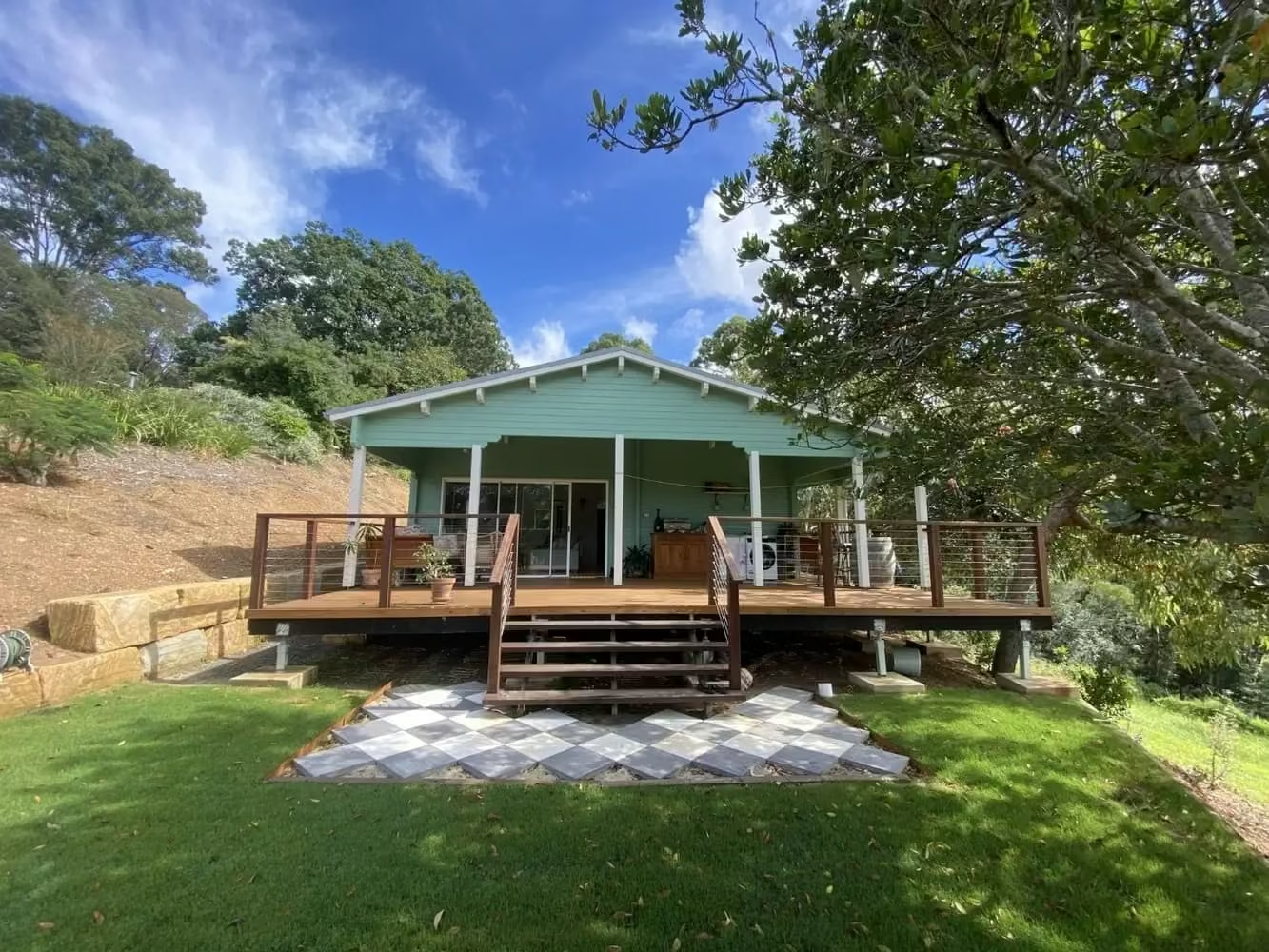
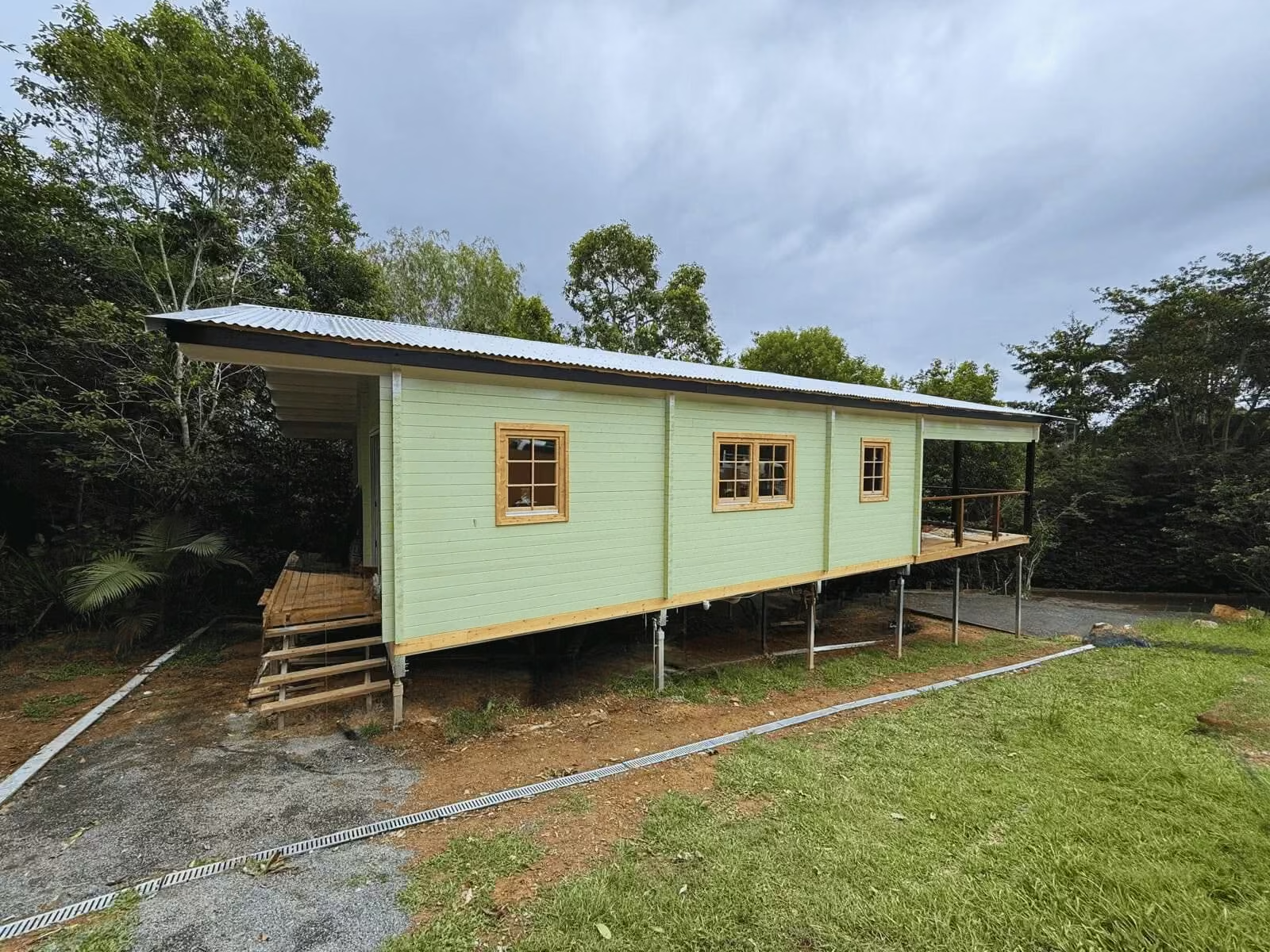
For steeper blocks, raised, split-level, or pole-mounted designs can reduce the need for excessive excavation and help maintain natural water flow. These approaches can also improve views, ventilation, and integration with the landscape.
A detailed site survey is essential for accurately assessing slope and determining the most efficient construction method.
Drainage and Water Movement
Slope affects how water moves across the site. Poorly managed drainage can lead to erosion, water pooling, or long-term structural issues. Designing with the natural fall of the land helps protect the building and surrounding areas.
Soil Conditions and Foundations
Soil conditions beneath the surface are a key determinant of foundation design, construction method, and cost. While soil quality is not always visible, it should never be assumed.
Soil Testing and Classification
A professional soil test identifies the soil type and its reactivity to moisture changes. Highly reactive soils may require specialised footing systems to prevent movement and cracking over time.
Knowing the soil classification early allows for accurate engineering design and reduces the risk of unexpected foundation costs later in the project.
Foundation Systems and Costs
Different soil types require different foundation solutions, ranging from standard concrete slabs to deeper piers or screw piles. The right system ensures long-term stability and compliance with building standards.
While challenging soil conditions can increase upfront costs, they can usually be managed effectively with proper planning and engineering.
Long-Term Performance and Drainage
Good foundation design goes hand in hand with proper site drainage. Managing surface water, subsoil moisture, and stormwater runoff protects both the structure and the surrounding land.
Investing in correct foundations from the outset helps ensure your granny flat or modular home performs well for decades to come.
Orientation, Sunlight, and Energy Efficiency
Access is one of the most underestimated factors when choosing a site.
Vehicle and Delivery Access
Construction requires access for trades, materials, and in the case of modular homes, delivery vehicles and cranes. Tight side access, low power lines, or narrow driveways can increase costs or limit design options.
Impact on the Existing Dwelling
On properties with an existing home, access routes should minimise disruption to the main house. This includes considering:
- Temporary fencing
- Protection of landscaping
- Clear separation of construction zones
Slope and Topography
The slope of your land has a direct impact on construction complexity.
Flat vs Sloping Blocks
Flat blocks are generally more cost-effective and faster to build on. Sloping blocks are not impossible, but they often require:
- Additional excavation
- Retaining walls
- Specialised footing systems
Split-Level and Raised Designs
For steeper sites, raised or split-level designs may offer a practical solution while preserving natural drainage and minimising earthworks.
Soil Conditions and Foundations
What lies beneath the surface is just as important as what you can see.
Soil Classification
A soil test will determine how reactive the ground is and what type of footing system is required. Poor soil conditions can increase foundation costs, but identifying this early allows for accurate budgeting.
Drainage and Water Flow
Poor drainage can lead to long-term issues such as moisture damage or movement. A well-drained site reduces risk and supports the longevity of your granny flat or modular home.
Orientation, Sunlight, and Energy Efficiency
A good site takes advantage of natural light and airflow.
Solar Orientation
Positioning your granny flat to maximise northern sunlight can improve comfort and reduce energy costs. Thoughtful orientation also supports passive heating and cooling.
Privacy and Overlooking
Privacy is essential for both the primary dwelling and the new structure. Smart placement, fencing, and landscaping can prevent overlooking and create a comfortable living environment for everyone.
Services and Infrastructure
Connecting services can be a significant part of the project budget.
Existing Utilities
Check the location and capacity of:
- Sewer or septic systems
- Water connections
- Electricity supply
- Stormwater drainage
Sites with existing services nearby are generally easier and cheaper to develop.
Septic and On-Site Waste Systems
For rural or regional properties, septic systems may be required. Adequate space and soil suitability are critical when planning on-site waste solutions.
Access, Parking, and Liveability
Beyond construction, the finished home must function well day to day.
Separate Entry and Pathways
A clearly defined entry helps create independence for occupants and supports rental appeal.
Parking Requirements
Some councils require additional parking for granny flats or secondary dwellings. Ensuring space is available avoids approval complications.
Long-Term Use and Flexibility
Thinking beyond the initial build helps future-proof your investment.
Family Living vs Rental Income
A site that works well for family accommodation may have different priorities compared to a rental-focused design. Access, privacy, and parking should align with how the space will be used over time.
Adaptability of the Site
Well-chosen sites allow for future upgrades, landscaping improvements, or changes in use without major alterations.
Internal Resources to Explore
For more detailed guidance, you may find these articles helpful:
- Working With Local Councils: Approval Hurdles & How to Avoid Them
- The Impact of Flood & Bushfire Risk on Granny Flat Builds in Queensland
- Custom vs. Prefabricated Granny Flats: Which is the Better Choice for You?
- Staying On Top of Energy Efficiency with Our Granny Flats (7-Star Energy Rating and More)
- Financing Your Granny Flat: Exploring Loan Options and Financial Planning
Conclusion
Choosing the perfect block and site for your granny flat or modular home is about more than just available space. Council regulations, access, slope, soil, services, and orientation all play a role in determining whether a project will be straightforward or complex.
By assessing these factors early and seeking professional advice, you can avoid costly surprises and set your project up for long-term success. A well-chosen site not only simplifies construction but also enhances comfort, functionality, and overall value.
Call to Action
If you are considering a granny flat or modular home and want expert advice on whether your block is suitable, speak with the team at Timber Garden Cabins today. We can assess your site, guide you through council requirements, and help you design a solution that works with your land, not against it.
Get in touch to start planning your project with confidence. Visit www.timbergardencabins.com.au or book your free Granny Flat expert consultation here.