Summary
Understanding the journey of a timber home—from controlled factory manufacturing through to on-site installation—offers valuable insight into why modern prefabricated construction is rapidly transforming the way Australians build.
Unlike traditional construction, which often involves unpredictable delays, multiple contractors, and extended timelines, timber homes follow a far more streamlined and efficient process. By shifting much of the work into a precision-controlled factory environment, builders can ensure consistent quality, minimise material waste, and significantly reduce construction time.
This approach also allows multiple stages of the project to run simultaneously. While your home is being manufactured, site preparation can take place at the same time—resulting in a faster, more coordinated build overall.
In this guide, we walk you through each step of the process—from initial design and approvals through to delivery, installation, and final handover. Along the way, you’ll gain a clear understanding of what happens at every stage, how long each step typically takes, and what makes timber homes such a compelling alternative to conventional building methods.
Whether you are planning a granny flat, a rural cabin, or a full-scale residential home, this breakdown will help you set realistic expectations and make informed decisions with confidence.
Summary Bullet Points
- Timber homes are manufactured in controlled factory environments for precision
- Site preparation and construction occur simultaneously, saving time
- Installation on-site is significantly faster than traditional builds
- Quality control is higher due to engineered components
- The full process is efficient, predictable, and cost-effective
Introduction: A Smarter Way to Build
The way homes are built is evolving—and for good reason. For decades, traditional construction has been the standard approach across Australia. While it is familiar, it often comes with a range of challenges that homeowners have simply learned to accept: extended timelines, weather-related delays, rising labour costs, and inconsistencies in workmanship.
For many, building a home can feel unpredictable. Projects can stretch well beyond initial deadlines, budgets can shift, and the final outcome may not always reflect the original vision. These inefficiencies are not necessarily due to poor planning, but rather the limitations of building entirely on-site in an uncontrolled environment.
Today, however, a smarter and more refined approach is reshaping the industry.
Timber homes—particularly those built using prefabricated and flat-packed systems—offer a fundamentally different way of building, supported by a more streamlined and efficient. Instead of relying solely on on-site construction, a significant portion of the work is completed in a controlled factory environment. This shift allows for precision engineering, consistent quality, and a far more efficient use of time and materials.
At Timber Garden Cabins, we bring together premium European craftsmanship with designs tailored specifically for Australian conditions. Every component is carefully engineered, manufactured, and prepared before it even reaches your site. This means fewer surprises, fewer delays, and a much smoother overall experience for homeowners.
One of the most significant advantages of this approach lies in the build timeline itself. While traditional homes are built step by step in a linear process, timber homes benefit from parallel progress. Your home can be manufactured in the factory while site preparation is happening simultaneously—dramatically reducing the overall project duration.
But speed is only part of the story.
This method also delivers a higher level of quality control. Each element is produced with precision, checked against strict standards, and designed to fit together seamlessly once on-site. The result is a structure that is not only quicker to build, but also more reliable, energy-efficient, and built to last.
For homeowners, this means greater confidence at every stage of the journey. Instead of navigating uncertainty, you gain a clear, structured process—from initial design through to final handover.
If you’re considering building a timber home, understanding this journey—from factory floor to finished structure—will help you see exactly where time is saved, where quality is enhanced, and why this modern method is becoming the preferred choice for forward-thinking homeowners across Australia.
Design, Planning and Approvals
Every successful build begins long before construction starts—it begins with thoughtful planning, clear vision, and careful decision-making. This stage lays the groundwork for everything that follows, ensuring your timber home is not only visually appealing, but also practical, compliant, and tailored to your specific lifestyle.
At this point, ideas begin to take shape and are transformed into detailed, buildable designs. Clients typically start by selecting a base model that aligns with their needs, then refine and customise it to suit their land, preferences, and long-term plans. This might involve adjusting layouts, modifying room sizes, incorporating outdoor living areas, or optimising natural light and airflow.
For example, a homeowner building a granny flat may prioritise space efficiency and functionality, while someone developing a rural retreat may focus more on open-plan living, scenic views, and seamless indoor-outdoor transitions. Regardless of the project type, this stage ensures the final design is both highly functional and visually aligned with your vision.
If you’re still exploring what layout might work best for you, it’s worth reviewing our guide on multi-generational living and granny flat design: https://timbergardencabins.com.au/multi-generational-living-designing-granny-flats-that-grow-with-your-family/, where we break down practical configurations that maximise space, comfort, and liveability in Australian conditions.
Beyond aesthetics, this phase also considers important technical and environmental factors. These include site orientation, wind exposure, energy efficiency, access, and how the structure integrates with the surrounding landscape. Addressing these elements early helps avoid costly changes later and ensures your home performs well year-round.
Alongside design comes the approvals process—an essential step in bringing your project to life. Depending on your location and the scope of your build, this may involve:
- Development applications (DA) or complying development certificates (CDC)
- Building permits and construction approvals
- Compliance with local zoning regulations and building codes
- Engineering documentation and site reports
While this process can seem complex, working with an experienced provider makes a significant difference. A knowledgeable team will guide you through requirements, prepare the necessary documentation, and liaise with councils or certifiers on your behalf—helping to minimise delays and keep your project moving forward.
It’s also during this stage that timelines become clearer. By aligning design decisions with approval requirements early on, you reduce the risk of revisions or setbacks later in the process.
Ultimately, a well-managed design and planning phase sets the tone for the entire project. It creates a clear roadmap, aligns expectations, and ensures that when construction begins—both in the factory and on-site—everything proceeds smoothly, efficiently, and with confidence.
Factory Manufacturing: Where Precision Begins
Once approvals are secured, the project transitions into the manufacturing stage—arguably the most important phase in terms of quality and efficiency.
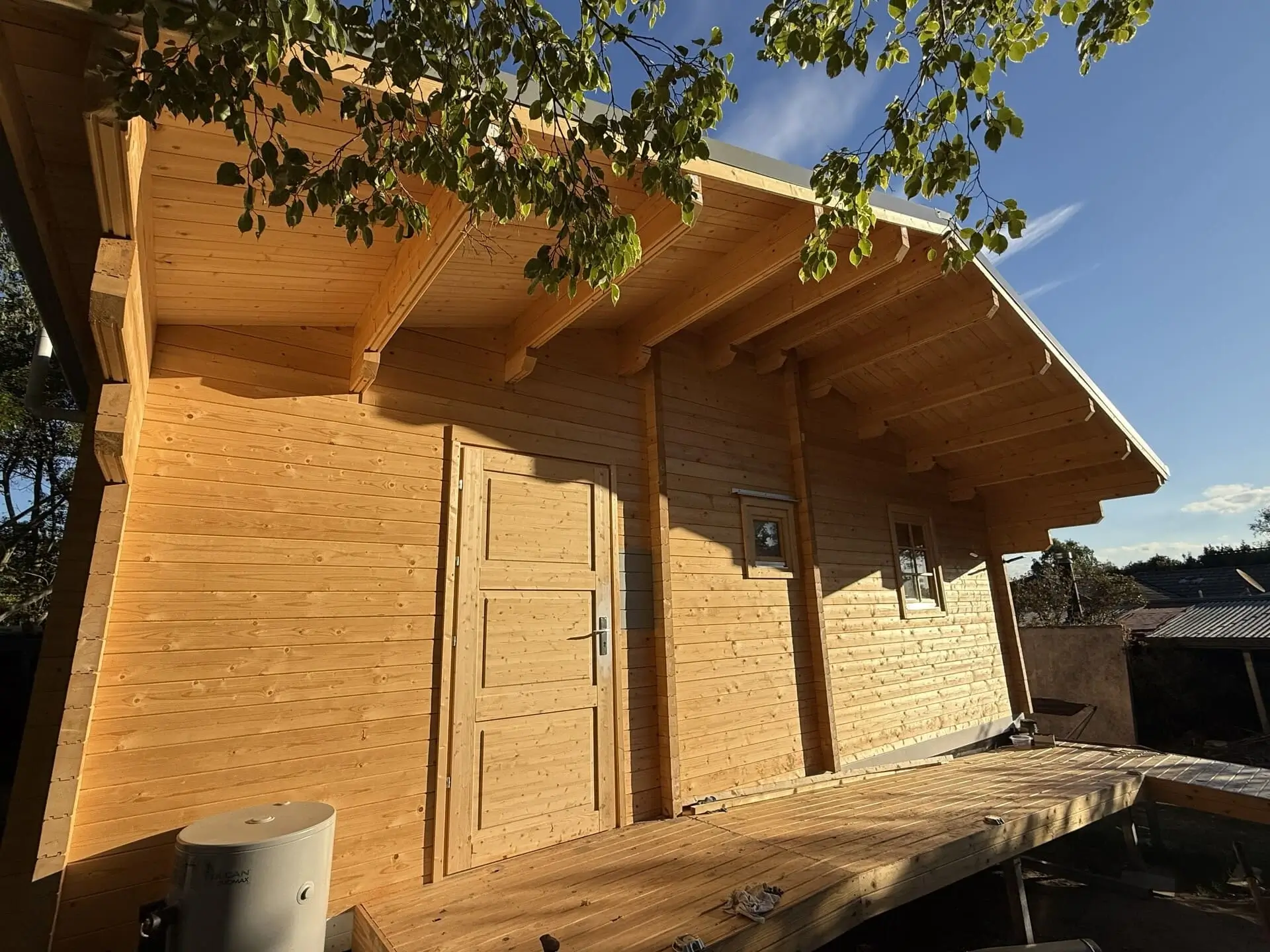
Unlike traditional construction, which is exposed to weather and site variability, timber homes are built in a controlled factory setting. This allows for consistent conditions, precise measurements, and rigorous quality checks.
Each component of the home is engineered and prepared, including:
- Structural wall panels
- Floor systems
- Roof components
- Insulated timber elements
Because everything is pre-cut and pre-fitted, the risk of human error is significantly reduced.
This level of precision is one of the reasons timber homes are gaining popularity across Australia. If you’d like to explore this further, you can read more about sustainability and materials in timber construction here: https://timbergardencabins.com.au/blog/, which outlines the durability, sustainability, and efficiency advantages in more detail.
Another key benefit of factory manufacturing is speed. Multiple parts of the home can be built simultaneously, dramatically reducing overall construction time.
Site Preparation: Building the Foundation in Parallel
One of the most significant advantages of prefabricated construction is that site work happens at the same time as factory production.
While your home is being manufactured, your land is being prepared. This parallel workflow eliminates the downtime typically seen in traditional builds.
Site preparation generally includes:
- Clearing and levelling the land
- Installing foundations or footings
- Preparing drainage systems
- Connecting essential services such as water and electricity
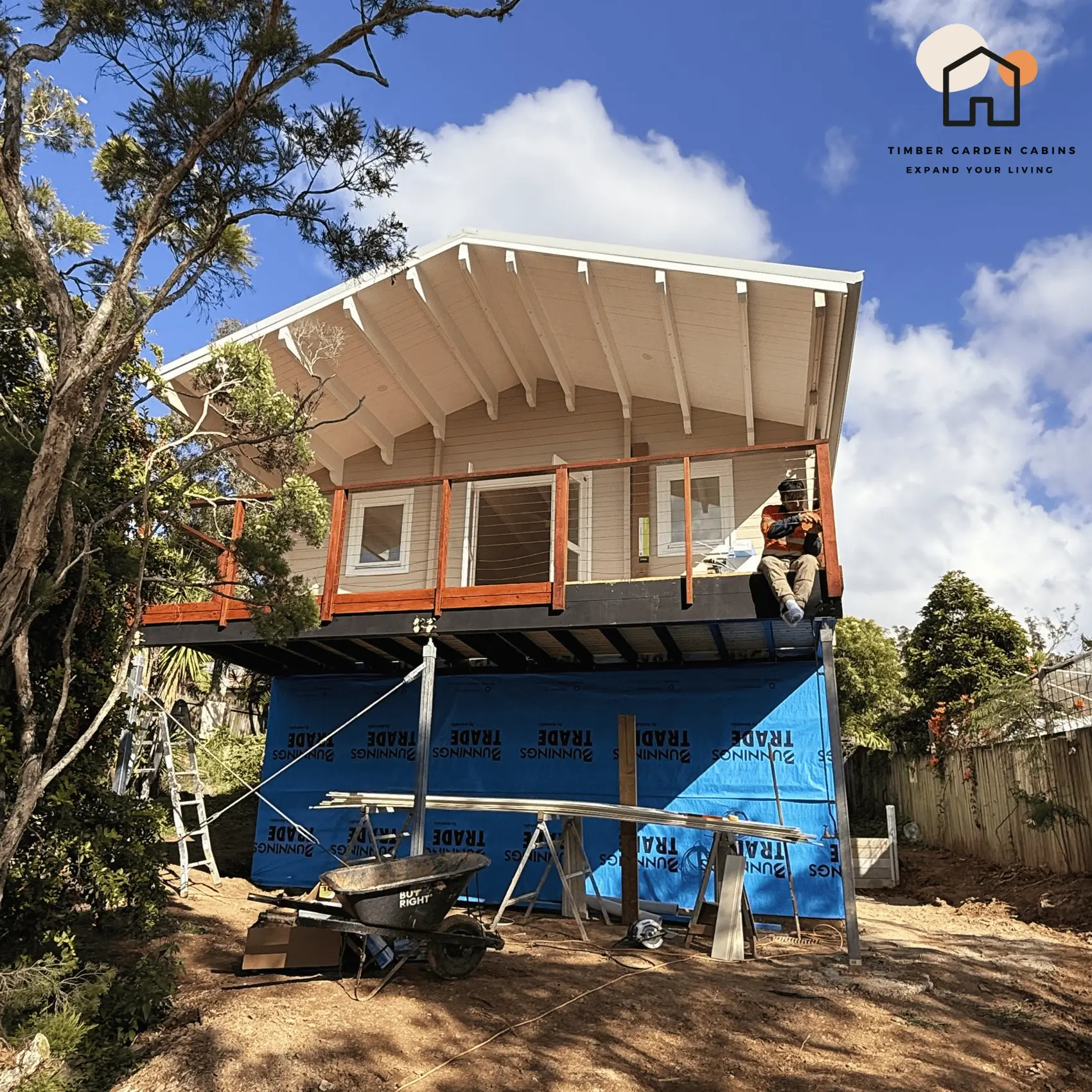
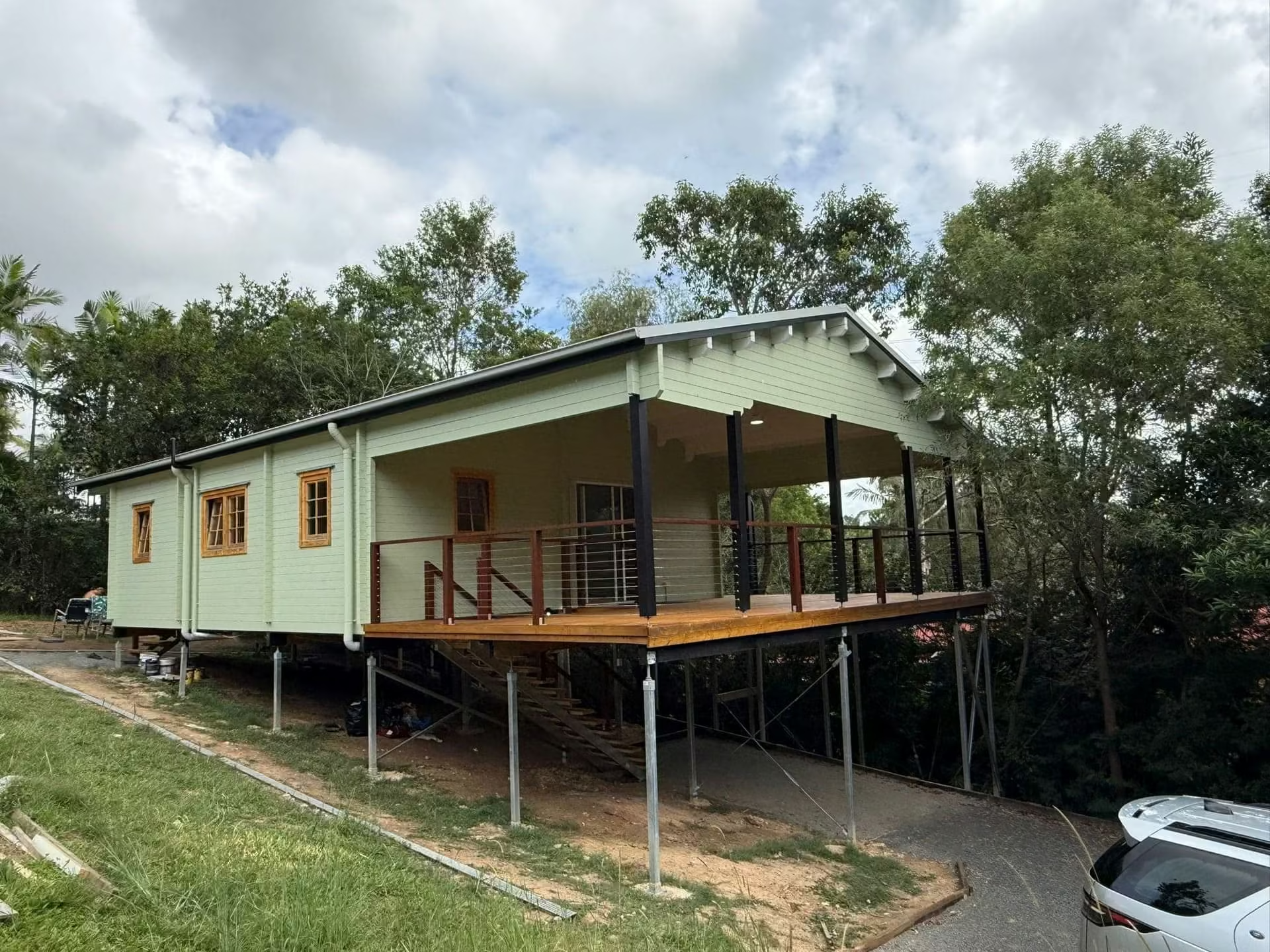
The type of foundation required will depend on your site conditions. Flat blocks may suit concrete slabs, while sloping land may require raised subfloor systems or pier foundations.
This simultaneous approach is a major reason why timber homes can be completed in a fraction of the time compared to conventional builds.
Delivery and Logistics: Bringing Your Home to Site
Once manufacturing is complete, your timber home is carefully packaged and transported to your property.
Flat-packed systems are designed for efficiency, allowing all components to be delivered in an organised and space-saving manner. Each element is labelled and prepared for straightforward assembly.
Logistics play an important role at this stage. Proper planning ensures:
- Easy access to the site
- Coordination of delivery vehicles
- Scheduling of cranes or lifting equipment if required
Because everything has been pre-prepared, this stage is typically quick and well-coordinated.
On-Site Assembly: Rapid Transformation
This is where the project truly comes to life. With all components ready to go, the structure of the home is assembled on-site in a remarkably short timeframe.
Walls are erected, floors are secured, and roof systems are installed with precision. Depending on the size and complexity of the design, this process can take anywhere from a few days to a couple of weeks.
Compared to traditional construction—which can take months just to reach the same stage—this represents a significant advantage.
Another benefit is reduced exposure to weather. Because assembly is so quick, materials are less likely to be affected by rain or moisture, preserving the integrity of the structure.
If you’re weighing up your options, our comparison of modular vs traditional construction (https://www.timbergardencabins.com.au/blog/modular-vs-traditional-construction) provides valuable insights into why this method is becoming increasingly popular.
Internal Works and Services
Once the structure is complete, attention turns to internal systems that make the house functional and comfortable.
This includes:
- Electrical wiring and lighting
- Plumbing systems
- Insulation installation
- Wall linings and internal finishes
Because the structure is built with precision, trades can work more efficiently, reducing installation time and ensuring a high-quality finish.
Timber homes also offer excellent natural insulation, helping to regulate indoor temperatures and improve energy efficiency. This not only enhances comfort but can also lead to lower energy costs over time.
Finishes and Customisation
The finishing stage is where your house truly becomes a home.
This includes both interior and exterior elements such as:
- Flooring and tiling
- Painting and coatings
- Kitchen and cabinetry installation
- Fixtures, fittings, and lighting
- External cladding or timber treatments
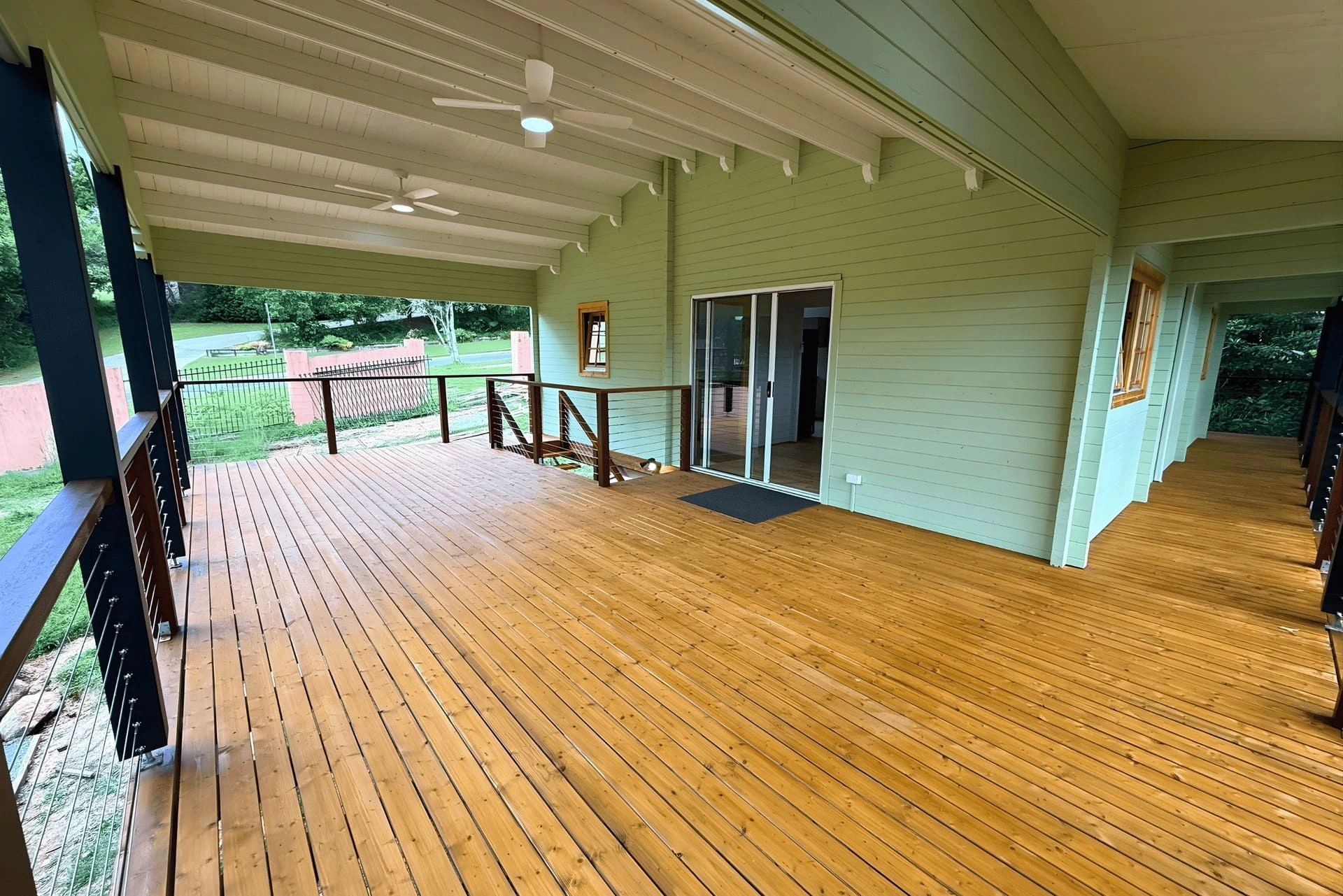
Homeowners have the opportunity to personalise these finishes to suit their style, whether that’s a clean modern look or a warm, natural timber aesthetic.
Attention to detail during this stage ensures the final result reflects both quality craftsmanship and individual taste.
Final Inspection and Handover
Before the home is officially completed, a thorough inspection is carried out to ensure everything meets building standards and client expectations.
Any final adjustments are made, and once approved, the home is ready for handover.
This is often one of the most rewarding moments for homeowners—seeing their vision fully realised in a fraction of the time they may have expected.
Timeline Overview: What to Expect
While timelines can vary depending on the project, a typical breakdown looks like this:
- Design and approvals: 4–12 weeks
- Factory manufacturing: 6–10 weeks
- Site preparation: 4–8 weeks (overlapping with manufacturing)
- Delivery and assembly: 1–3 weeks
- Finishing works: 3–6 weeks
Because many stages overlap, the total project duration is significantly reduced compared to traditional construction methods.
Why This Approach Is Changing the Industry
The growing popularity of timber homes is no coincidence. It reflects a broader shift in how people think about building—moving away from slow, unpredictable methods towards smarter, more efficient solutions that prioritise quality, sustainability, and certainty.
Traditional construction has long been associated with delays, budget overruns, and inconsistent results. Much of this stems from the fact that everything is built on-site, often exposed to changing weather conditions, varying skill levels, and logistical challenges. In contrast, prefabricated timber construction addresses many of these issues at their core.
One of the most compelling advantages is speed. By relocating a significant portion of the build process into a controlled factory environment, multiple stages can occur simultaneously rather than sequentially. While your home is being manufactured, site preparation is already underway. This parallel workflow dramatically reduces overall project timelines, allowing homeowners to move in sooner without compromising on quality.
Equally important is the level of precision and quality control that this method delivers. In a factory setting, each component is produced using advanced machinery and strict manufacturing standards. Materials are cut, measured, and assembled with a level of accuracy that is difficult to achieve on-site. Every element is checked and verified before it leaves the factory, resulting in a structure that fits together seamlessly during installation. This consistency not only improves structural integrity but also enhances long-term performance.
Cost efficiency is another major driver behind the rise of timber homes. Traditional builds often encounter unexpected costs due to delays, material wastage, or rework. Prefabrication significantly reduces these risks. Labour is more efficient, timelines are more predictable, and materials are used more effectively. For homeowners, this translates into better budget control and fewer financial surprises throughout the build.
Sustainability has also become an increasingly important consideration, and timber construction offers clear advantages in this area. Timber is a renewable resource that stores carbon rather than emitting it, making it a more environmentally responsible choice compared to many conventional building materials. In addition, factory-based construction minimises waste by optimising material usage and reducing excess offcuts. The result is a building process that aligns with modern sustainability goals while still delivering exceptional performance.
Beyond these practical benefits, there is also a shift in homeowner expectations. Today’s clients value transparency, efficiency, and reliability. They want a building process that is clearly defined, well-managed, and free from unnecessary complications. Prefabricated timber homes meet these expectations by offering a structured, streamlined journey from start to finish.
As demand for smarter housing solutions continues to grow, it’s clear that this approach is not just a trend—it’s a fundamental evolution in the construction industry. Timber homes represent a future where speed, quality, cost efficiency, and sustainability are no longer trade-offs, but standard features of the building process.
Conclusion
Timber homes are also becoming increasingly popular for investment and lifestyle flexibility. If you’re considering long-term value or rental potential, you can explore more insights here: https://timbergardencabins.com.au/blog/. From the factory floor to the final installation on-site, the journey of building a timber home is a carefully planned and highly efficient process. Each stage is designed to maximise quality, minimise delays, and deliver a superior end result.
By understanding this timeline, homeowners can approach their project with confidence, knowing exactly what to expect at every step.
Whether you are building a granny flat, a holiday retreat, or a full-time residence, timber construction offers a modern, reliable, and forward-thinking solution.
If you’re considering building a timber home, now is the perfect time to explore your options.
Contact Timber Garden Cabins today to discuss your vision. Our expert team will help you design and build a flexible, sustainable living space that suits every stage of life.
Visit www.timbergardencabins.com.au or book your free Granny Flat expert consultation here.